
University Of Hatra
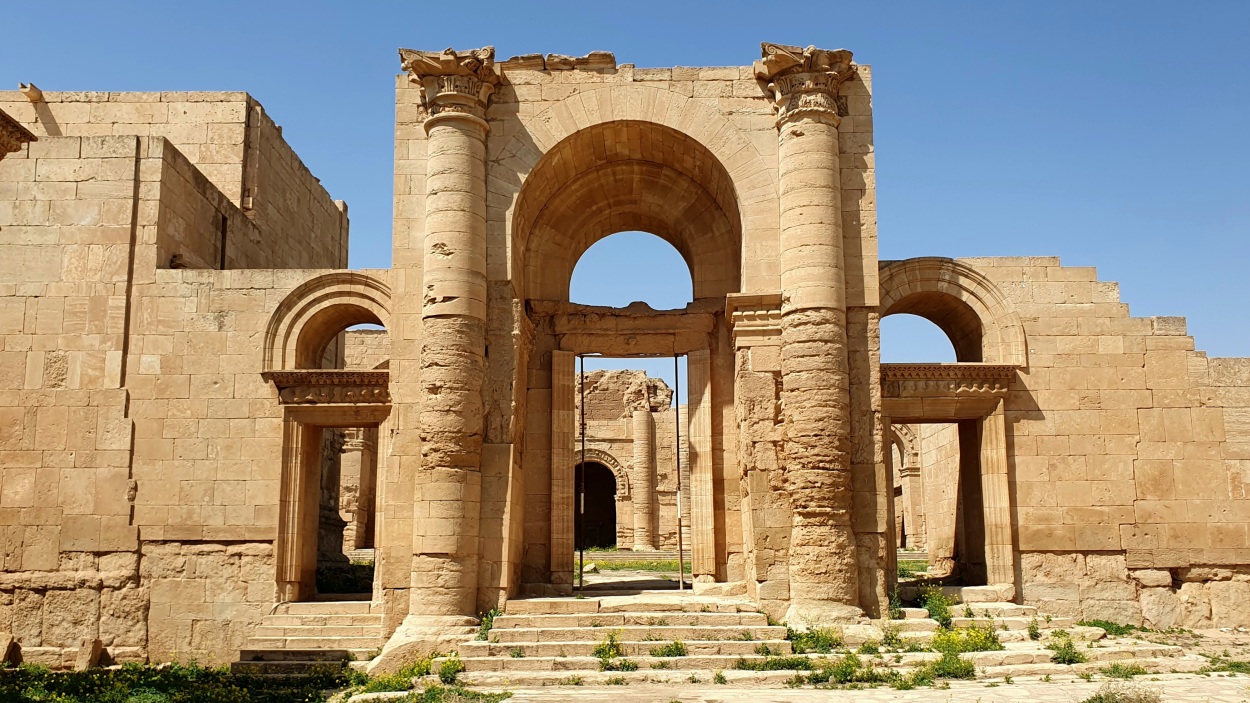
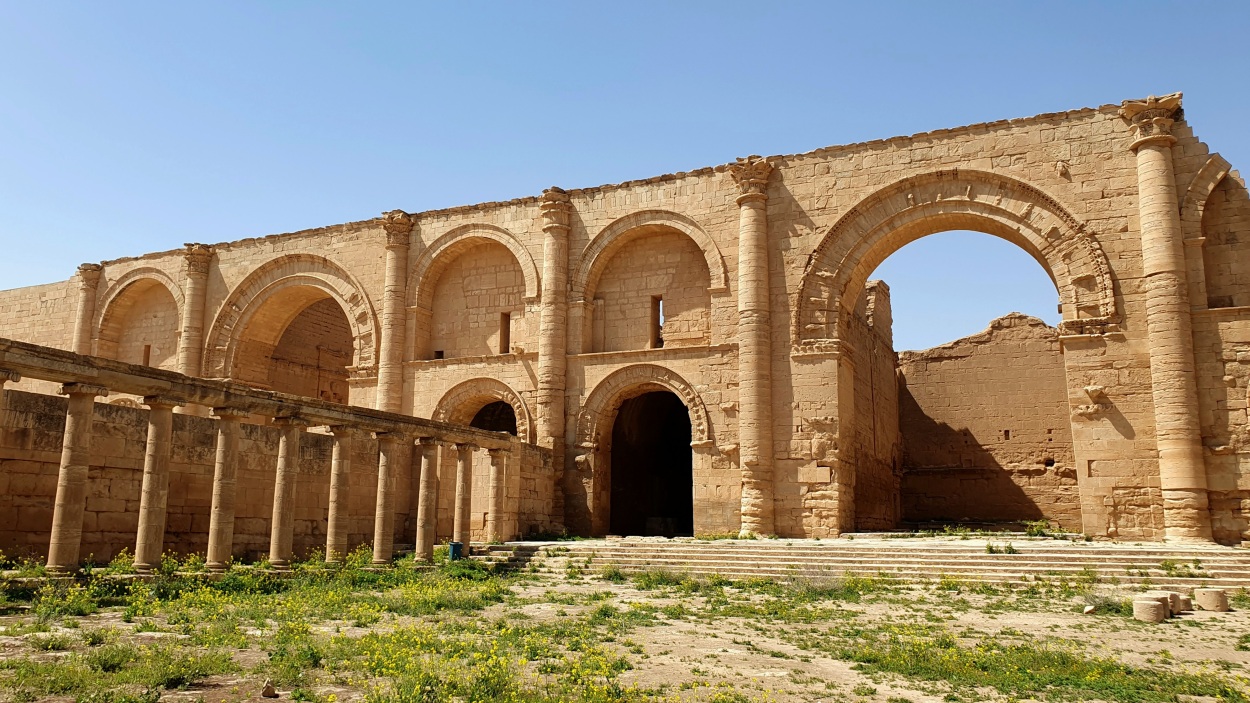
Hatra: An Arab Kingdom Among Ancient Civilizations
The Kingdom of Hatra was an ancient Arab kingdom that flourished in northern Mesopotamia between the 1st and 3rd centuries CE. Its capital was the fortified city of Hatra, located in what is now northern Iraq. The kingdom gained prominence due to its strategic position on important trade routes connecting the Roman Empire with the Parthian Empire and other regions of the East.
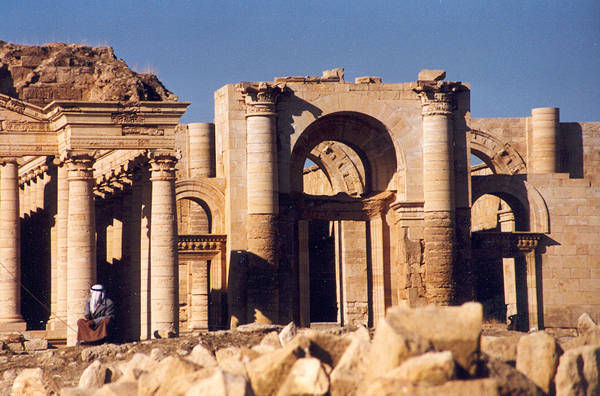
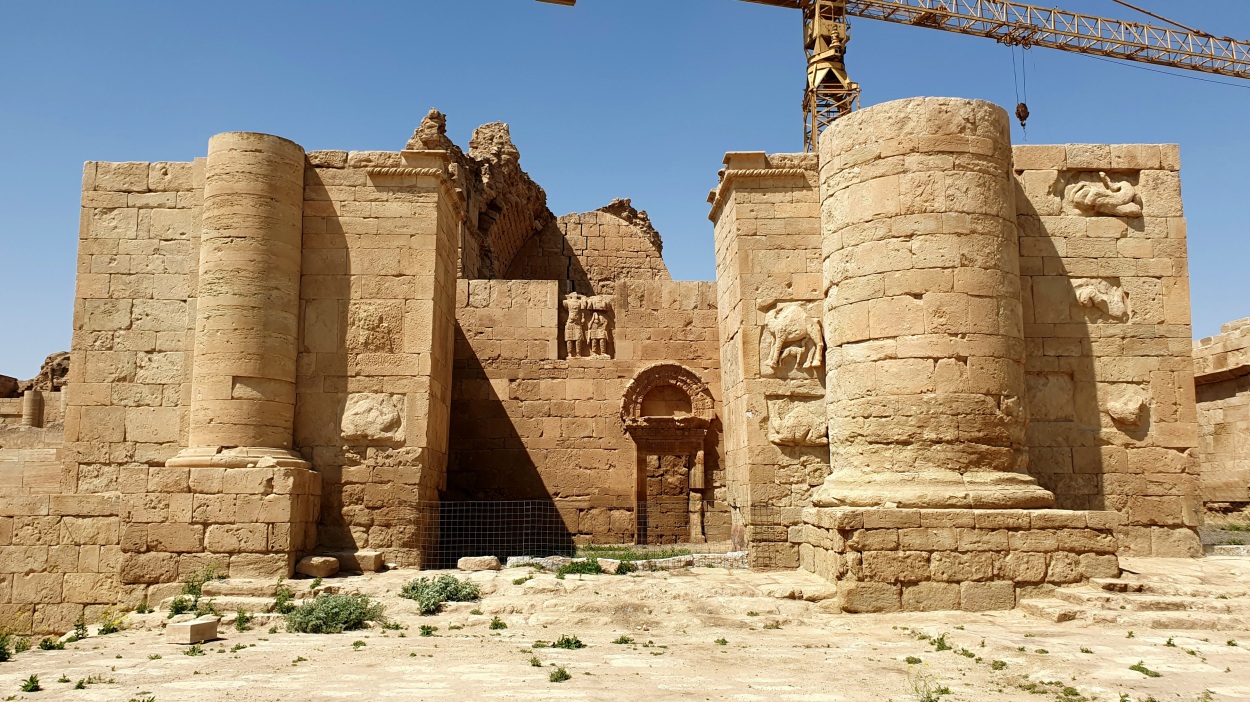
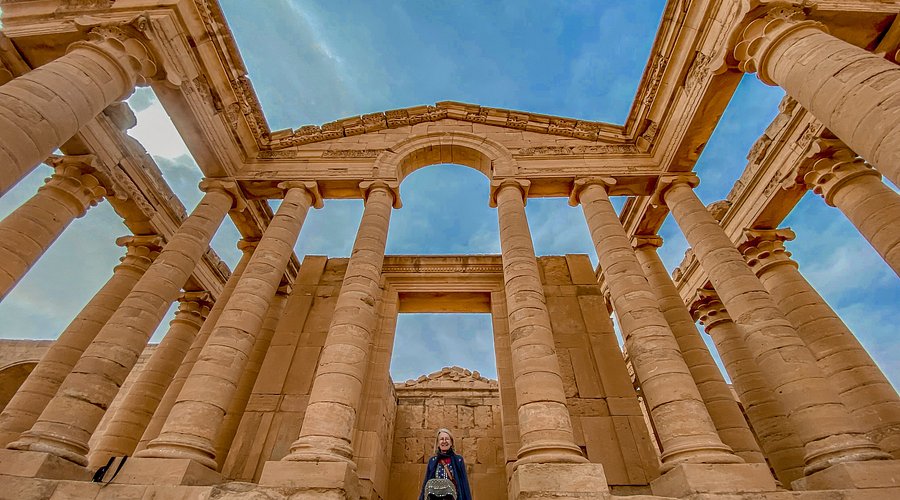
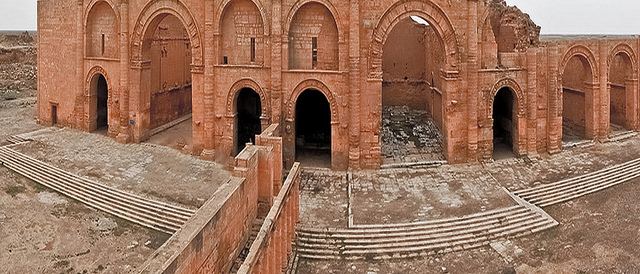
Hatra became a powerful and prosperous city-state under the protection and influence of the Parthian Empire. It was famous for its massive defensive walls and impressive temples dedicated to a variety of deities, reflecting a blend of Mesopotamian, Hellenistic, and Arab cultural influences.
The kingdom is particularly known for successfully resisting several Roman military campaigns, including those led by the Roman emperors Trajan and Septimius Severus. This resistance demonstrated the city's strong fortifications and military capability.
Hatra’s rulers bore the title “King of the Arabs,” highlighting its Arab identity and influence in the region. The kingdom reached its peak in the 2nd century CE before eventually falling to the Sasanian Empire around 240 CE.
Today, the ruins of Hatra are considered one of the most important archaeological sites in Iraq and provide valuable insight into the political, cultural, and religious life of ancient Mesopotamia.